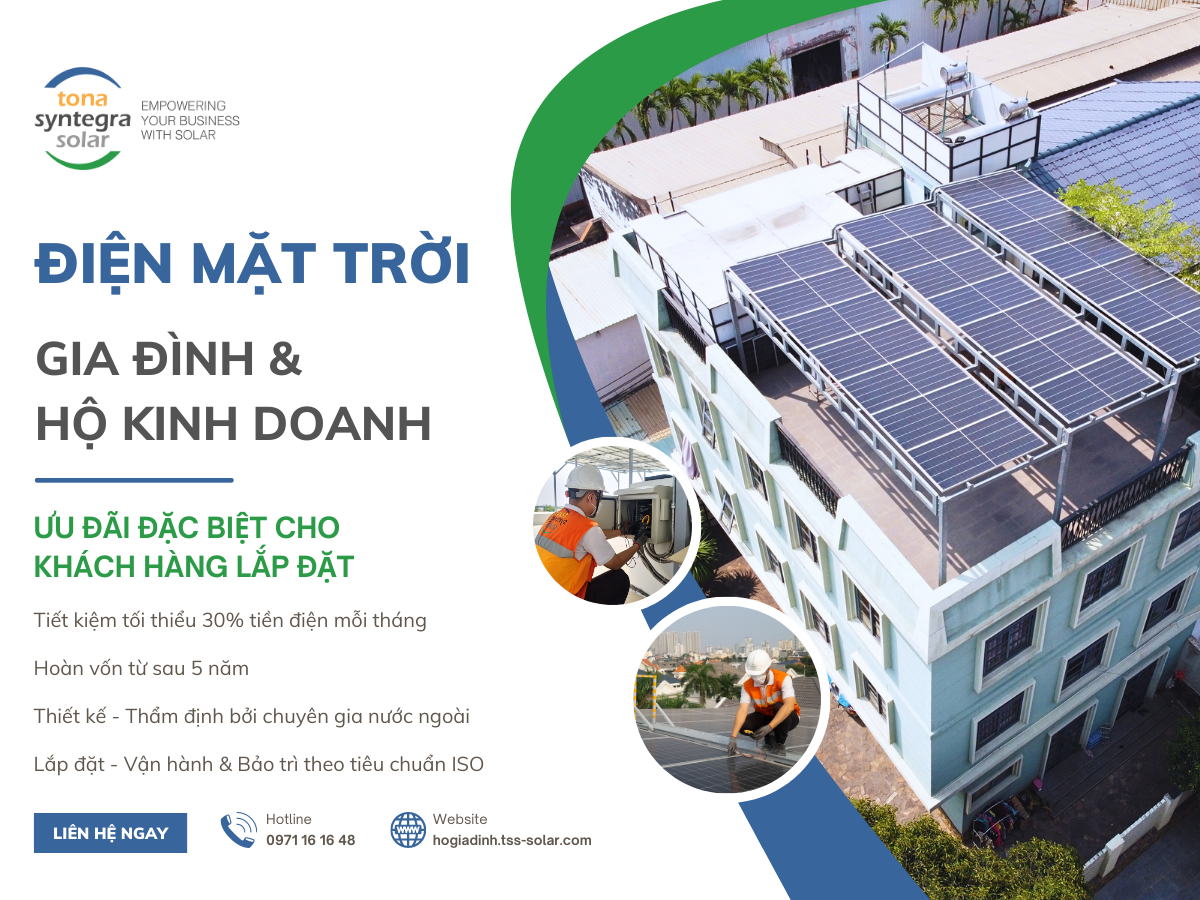
Understanding Solar Power Systems
Solar power systems transform sunlight into electricity, offering a clean and renewable source of energy. These systems consist primarily of solar panels, inverters, and a connection to your electrical grid. With advancements in technology, solar power is more accessible and efficient than ever before.
Benefits of Solar Power for Homeowners
- Significant Cost Savings: Homeowners can save a substantial amount on electricity bills, with some estimates suggesting reductions of at least 40% monthly.
- Quick Return on Investment: Many homeowners see a payback period of around five years, after which the energy produced is essentially free.
- Environmental Impact: By utilizing solar power, families can significantly cut down their carbon emissions, contributing to a healthier planet.
- Increased Property Value: Homes equipped with solar systems often have a higher resale value, appealing to eco-conscious buyers.
Estimating Your Solar Power Needs
To determine the appropriate size of a solar system for your home, consider factors such as your average monthly electricity consumption, roof space, and geographic location. Utilizing solar calculators can help provide estimates based on these inputs.
Choosing the Right Solar System
There are primarily two types of solar systems available:
For those looking to explore more on this topic, our readers may find value in visiting https://jolly-farmer.co.uk/. This resource provides additional insights that could enhance your understanding and experience.
- Grid-Tied Systems: These systems connect directly to the grid, allowing you to draw electricity from the grid when needed and feed surplus energy back to it.
- Off-Grid Systems: Designed for homes that are not connected to the electrical grid, these systems require battery storage for times when sunlight isn’t available.
Common Types of Solar Equipment
Investing in quality equipment ensures efficiency and longevity. Key components include:
- Solar Panels: The primary units that capture sunlight.
- Inverters: Devices that convert solar energy into usable electricity.
- Battery Storage: Enables you to store energy for cloudy days or nighttime use.
- Mounting Systems: Essential for securing panels to your roof or ground.
Conclusion: The Future of Solar Energy
As solar technology continues to advance, the feasibility and efficiency of solar power systems are expanding. Embracing this renewable energy source is a wise choice for both economic savings and environmental sustainability. By understanding your options and making informed decisions, you can contribute to a more sustainable future while reaping significant benefits in your home.