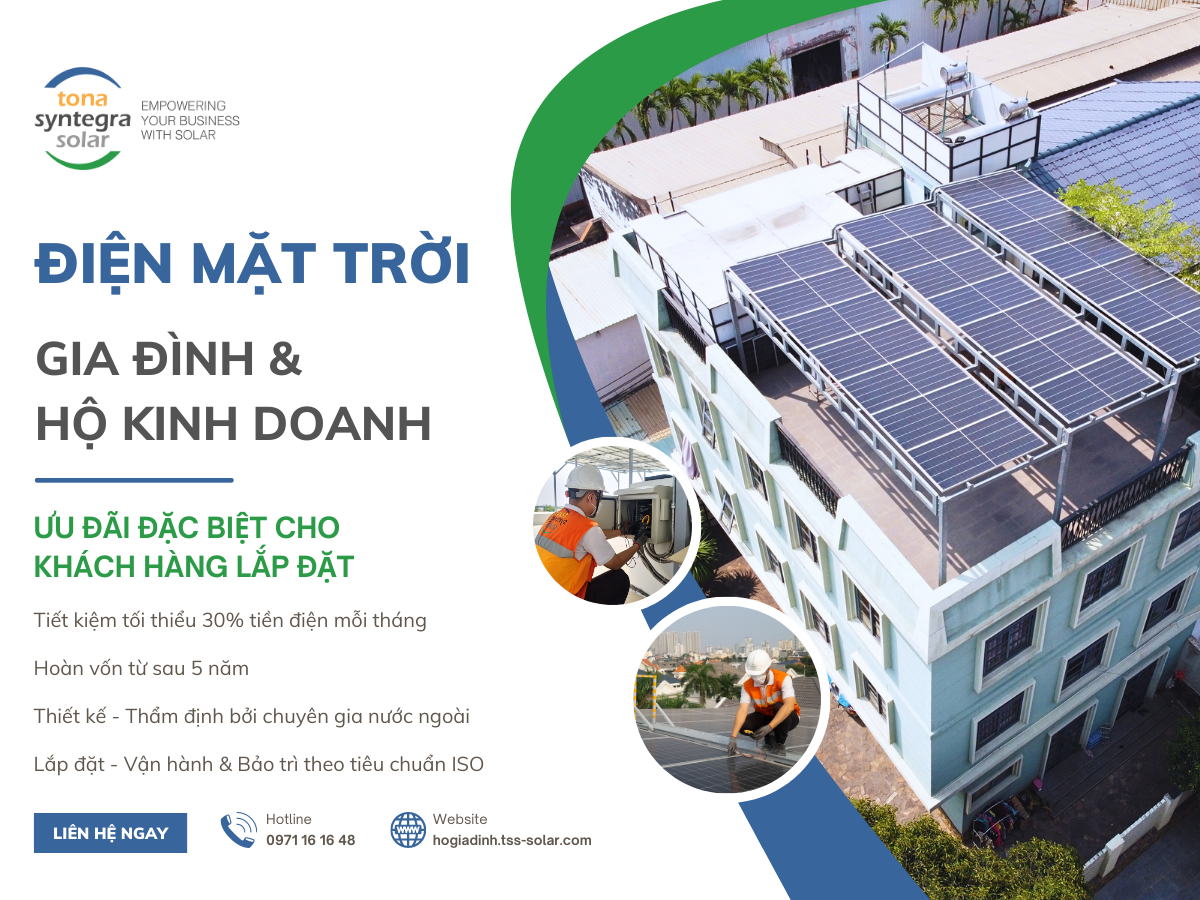
In today’s world, where renewable energy is becoming essential, solar power systems have emerged as a practical and sustainable solution for homeowners. By harnessing the sun’s energy, these systems provide numerous benefits that not only reduce electricity costs but also contribute to a healthier planet.
Understanding Solar Power Systems
Solar power systems convert sunlight into electricity using photovoltaic (PV) cells. They can be installed on rooftops or in open areas, providing an efficient means of generating energy. Here are the main components of a solar power system:
- Solar panels: Convert sunlight into electricity.
- Inverters: Transform the direct current (DC) generated by solar panels into alternating current (AC) for household use.
- Batteries: Store excess energy for later use, enhancing system efficiency.
- Mounting hardware: Secures the solar panels to roofs or ground installations.
Energy Cost Savings
One of the primary reasons homeowners opt for solar power systems is the significant savings on energy bills. Here are key points to consider:
For those interested in exploring more resources, our readers may find value in visiting https://haworthia.org.uk/ for insightful information and helpful content.
- Save at least 40% on monthly electricity costs.
- Achieve a return on investment within 5 years.
- Decrease your reliance on grid power, providing financial security against rising energy prices.
Environmental Benefits
Switching to solar power not only benefits your wallet but also positively impacts the environment. Here’s how:
- Reduce carbon footprints by cutting down on CO2 emissions—many installations eliminate the equivalent of nearly 30 tons of CO2 annually.
- Help to combat climate change by using a clean energy source that is renewable and abundant.
- Support the global transition to sustainable energy sources, contributing to a healthier planet for future generations.
Choosing the Right Solar Power System
With varying options and configurations available, selecting the right solar power system can ensure optimal energy production. Consider the following factors:
- Energy needs: Evaluate your monthly electricity consumption to determine system size.
- Roof space: Assess the available area to install solar panels efficiently.
- Budget: Determine your budget for installation and potential financing options.
Common Myths About Solar Power
There are many misconceptions about solar energy that can deter potential users. Here are the truths behind some common myths:
- Solar panels are too expensive: Initial costs can be mitigated through incentives and long-term savings.
- Solar works only in sunny regions: Solar panels can generate power even in cloudy or rainy conditions.
- Solar power is unreliable: With battery storage options, solar energy can be harnessed when the sun isn’t shining, providing continuous power supply.